
Что такое Doubao Seedance 4.0? Возможности и цены
Полный обзор Doubao Seedance 4.0 — ИИ-модели видео от ByteDance с выводом 4K, синхронным звуком, липсинком на 8 языках, мультимодальным вводом, ценами и доступом к API.
Doubao Seedance 4.0 — это передовая система генерации ИИ-видео, которая объединяет создание аудио и видео в едином процессе. Она поддерживает разрешение 4K, ролики длительностью до 15 секунд и позволяет пользователям загружать до 9 изображений, 3 видеоклипов, 3 аудиодорожек и текстового запроса в одном обращении. Ключевые возможности включают синхронизированный аудио-видеовывод, липсинк на 8+ языках и продвинутые инструменты редактирования, такие как привязка первого и последнего кадра для плавных переходов.
Главное о ценах:
- Подписки: начинаются от $29,90 в месяц за 1000 кредитов (100 видео).
- Цены на API: ~$0,93 за 5-секундный ролик в 1080p, с возможностью оплаты по факту использования.
Для кого подходит:
- Маркетинговые команды, создающие кампании.
- Бренды электронной коммерции, выпускающие видео о товарах. Другим может больше подойти кинематографическая генерация ИИ-видео для премиального сторителлинга.
- Разработчики, автоматизирующие рабочие процессы.
- Создатели контента, генерирующие короткие видео или контент MiniMax-Hailuo-02.
Благодаря унифицированной архитектуре и гибкой интеграции через платформы вроде APIMart Seedance 4.0 упрощает производство видео для самых разных отраслей.
Основные возможности и архитектура
Seedance 4.0 опирается на свой унифицированный подход, обеспечивая продвинутые возможности генерации видео благодаря тщательно продуманной архитектуре.
Мультимодальная архитектура
В основе Seedance 4.0 лежит её унифицированная базовая модель совместной генерации аудио и видео. Эта единая архитектура одновременно обрабатывает ввод текста, изображений, аудио и видео в одном бесшовном процессе [1][7]. В отличие от старых систем, которые рассматривают аудио и визуальный ряд как отдельные сущности, Seedance 4.0 генерирует и то, и другое одновременно, обеспечивая идеальную синхронизацию.
Пользователи могут загрузить до 9 изображений, 3 видеоклипа, 3 аудиодорожки и текстовый запрос, чтобы создать цельное видео с нативным звуком [1][8]. Система также позволяет помечать конкретные ассеты в запросе с помощью синтаксиса вроде @image1 или @audio2, давая пользователям точный контроль над тем, как каждый элемент влияет на итоговый результат. Эта унифицированная архитектура — значительный скачок по сравнению с прошлыми версиями.
Улучшения по сравнению с предыдущими версиями
Seedance 4.0 представляет собой серьёзную эволюцию относительно своих предшественников. Более ранние версии, такие как Seedance 1.0 Pro и 1.5 Pro, опирались на раздельные методы обработки и ограничивали типы ввода только текстом и изображениями. Аудио, когда оно поддерживалось, обрабатывалось отдельно. Унифицированная мультимодальная базовая модель в Seedance 4.0 устраняет эти ограничения [7].
| Возможность | Seedance 1.5 Pro | Seedance 4.0 |
|---|---|---|
| Типы ввода | Текст, изображение | Текст, изображение, аудио, видео |
| Генерация аудио | Раздельная обработка | Интегрированная генерация |
| Макс. длительность ролика | 12 секунд | 15 секунд |
| Архитектура | Раздельная обработка | Унифицированная обработка |
| Теги ссылок | Не поддерживается | Плейсхолдеры @image, @video, @audio |
Новая модель также демонстрирует измеримый рост качества вывода. Внутренние тесты показывают 96,1% согласованности объекта и 97,4% плавности движения [7]. Проблемы вроде сбоев в сложных последовательностях движения — например, при синхронных перемещениях нескольких объектов — были значительно уменьшены [1].
«Творческий процесс становится более интуитивным, позволяя пользователям направлять и воплощать своё воображение». — ByteDance Seed Team [1]
Режимы генерации видео
Seedance 4.0 предлагает разнообразные режимы генерации, отвечающие самым разным творческим задачам.
- Текст-в-видео (T2V): пользователи могут описать сцену естественным языком, и система сгенерирует видео с кинематографическими движениями камеры, такими как наезд, проводка или съёмка с крана [2].
- Изображение-в-видео (I2V): этот режим оживляет статичные изображения, сохраняя их исходный стиль и композицию. Он также адаптирует соотношение сторон под исходный материал [3][2].
- Режим первого и последнего кадра: идеален для переходов или эффектов морфинга; этот режим использует заданные начальное и конечное изображения для генерации плавного промежуточного движения [2][8].
- Видео-в-видео (V2V): используя существующий ролик в качестве референса движения или стиля, этот режим упрощает процесс генерации и снижает затраты в токенах [2].
Для более длинных проектов параметр return_last_frame позволяет бесшовно соединять несколько 15-секундных сегментов в одно непрерывное повествование [4][2]. Такая гибкость делает Seedance 4.0 мощным инструментом для широкого спектра задач по производству видео.
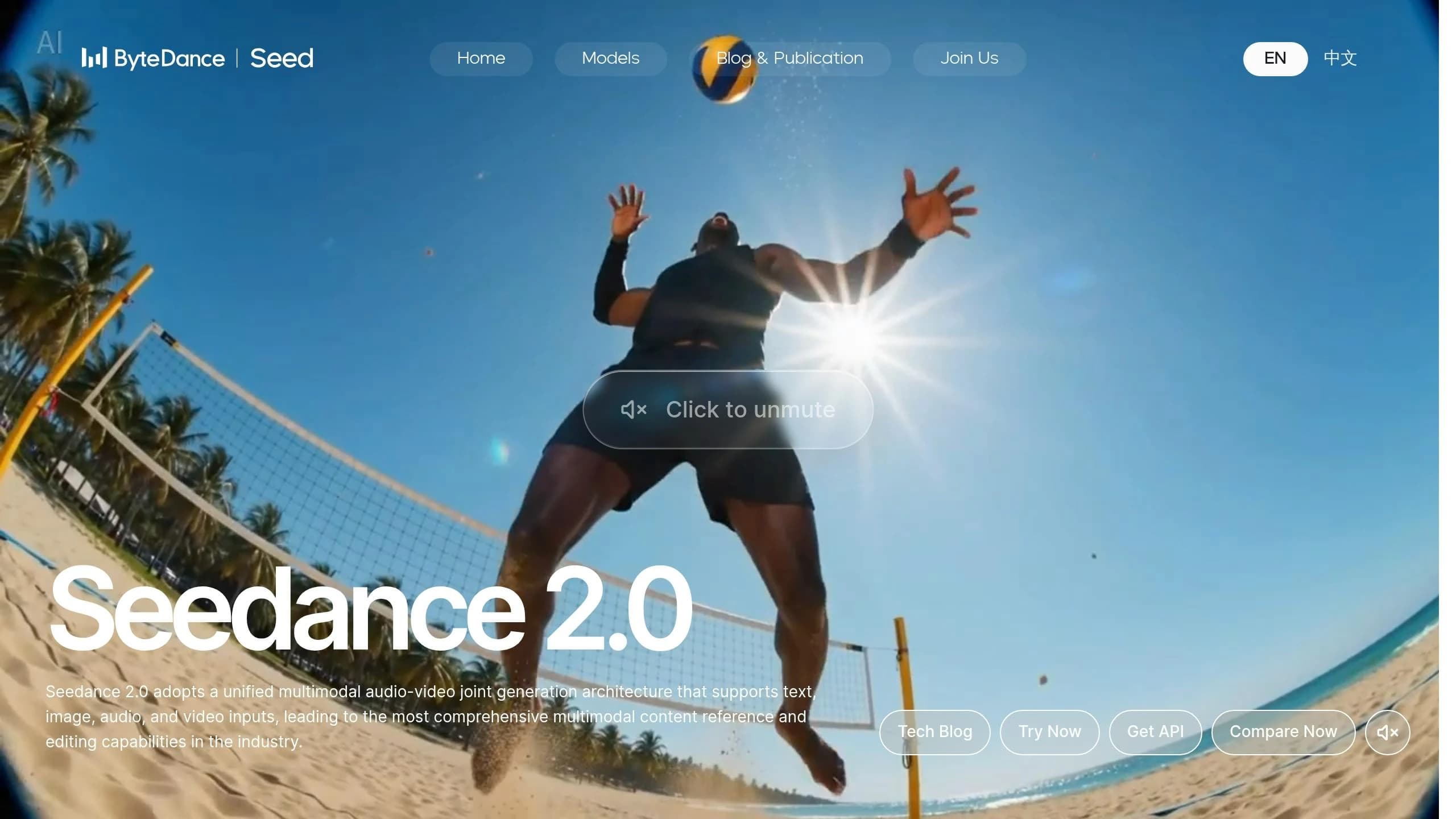
Ключевые возможности Doubao Seedance 4.0
Качество видео и поддерживаемые форматы
Seedance 4.0 предлагает гибкие варианты разрешения видео — от 480p до 2K, что делает её адаптируемой под различные требования проектов. Видео стабильно создаются с частотой 24 кадра/с, а длительность роликов варьируется от 4 до 15 секунд. Для экономного прототипирования более низкие разрешения, такие как 480p или 720p, помогают сократить расход токенов. Например, 15-секундный ролик в разрешении 1080p требует примерно 308 880 токенов.
Модель поддерживает семь соотношений сторон — 16:9, 9:16, 1:1, 4:3, 3:4, 21:9 и 3:2 — и включает адаптивную функцию, которая автоматически подстраивается под размеры вашего референсного изображения или видео. Это избавляет от хлопот с ручной обрезкой или леттербоксингом. Все результаты выдаются в формате MP4, а ссылки на видео истекают в течение 24 часов, поэтому обязательно скачивайте их вовремя [2]. Помимо визуальных возможностей, Seedance 4.0 обеспечивает высококачественную интеграцию звука.
Поддержка аудио и липсинка
Seedance 4.0 бесшовно объединяет аудио и видео в едином процессе рендеринга, обеспечивая идеальную синхронизацию диалогов, фонового звука и музыки. Это устраняет необходимость в дополнительной постобработке [7].
«В версии 2.0 аудио и видео генерируются за один проход, что снижает артефакты синхронизации и даёт согласованный атмосферный звук без постобработки». — AI API Playbook [7]
Модель отлично справляется с липсинком более чем на восьми языках, включая английский, китайский, японский, корейский и испанский. Она также позволяет включать до трёх референсных аудиодорожек в одном запросе, чтобы задать тон, темп и общий стиль. Аудио выдаётся в двухканальном стерео, обеспечивая отшлифованное профессиональное звучание [2]. Эта целостная аудиовизуальная функциональность дополнительно усилена продвинутыми инструментами редактирования.
Инструменты редактирования и управления
Seedance 4.0 предлагает точные функции редактирования для доработки переходов и сохранения целостности ваших проектов. Одна из выдающихся возможностей — привязка первого и последнего кадра, обеспечивающая плавные переходы между роликами, что идеально для демонстрации товаров или последовательностей морфинга. Используя параметры вроде return_last_frame, пользователи могут создавать бесшовные переходы и непрерывные последовательности [2].
«Система омни-референса... позволяет явно помечать их в запросе и точно контролировать, где и как они появляются. Это принципиально иная модель творческого контроля». — Segmind [5]
Однако одна область всё ещё в разработке — способность модели сохранять отчётливые черты лица для нескольких персонажей в одном кадре. Это может потребовать дополнительных итераций для достижения желаемого результата [5][9].
Цены и варианты доступа
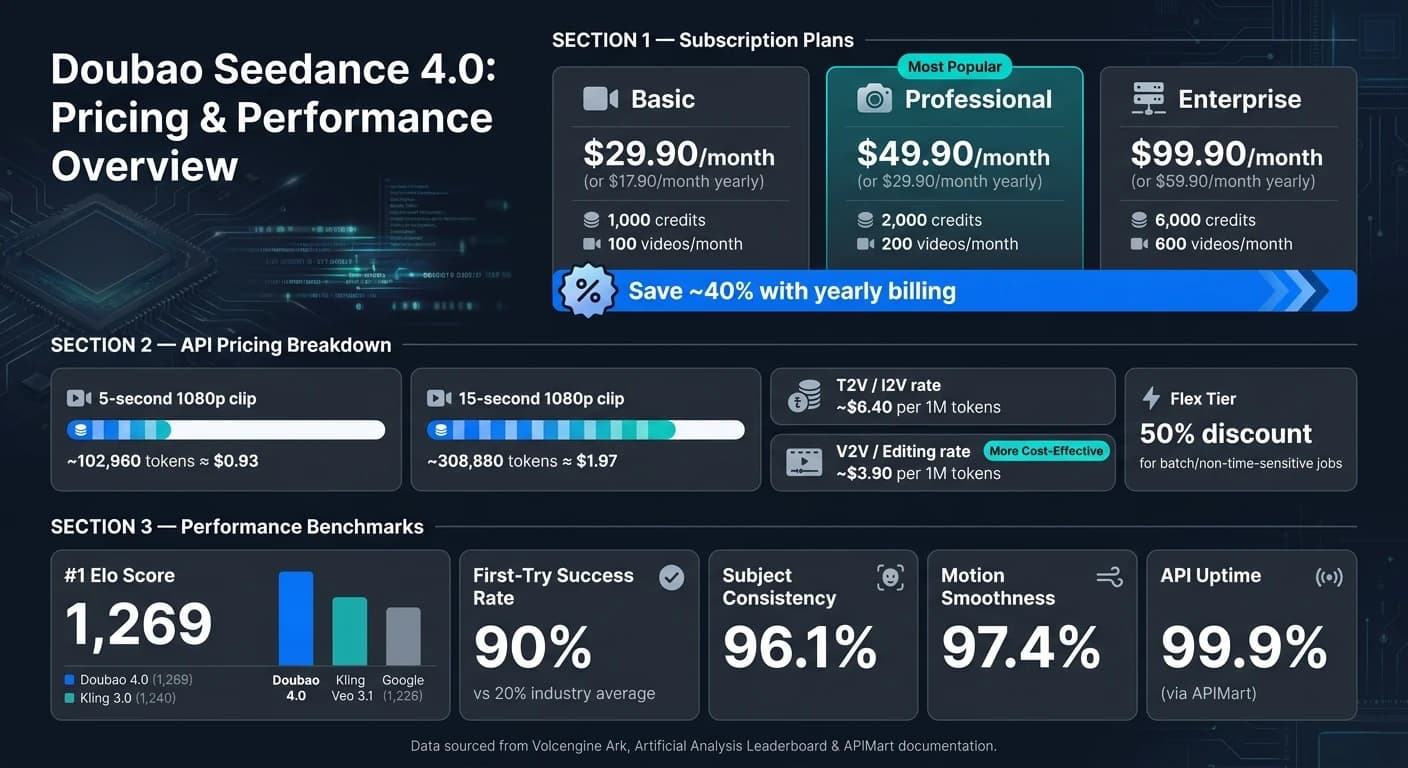
В этом разделе описаны модели ценообразования для подписок и API Doubao Seedance 4.0, а также даны чёткие инструкции по началу работы.
Планы подписки
Doubao Seedance 4.0 предлагает три уровня подписки, рассчитанные на разные уровни использования. Все планы работают по системе кредитов, где каждые 10 кредитов генерируют одно высококачественное видео. Каждый платный план также включает лицензию на коммерческое использование, позволяющую применять сгенерированный контент в маркетинговых кампаниях или клиентских проектах без дополнительных лицензионных сборов.
| План | Цена в месяц | Цена при оплате за год (в месяц) | Кредиты/месяц | Макс. видео/месяц |
|---|---|---|---|---|
| Basic | $29,90 | $17,90 | 1000 | 100 |
| Professional | $49,90 | $29,90 | 2000 | 200 |
| Enterprise | $99,90 | $59,90 | 6000 | 600 |
Выбор годовой оплаты позволяет сэкономить около 40% по сравнению с ежемесячными платежами. Учтите, что месячные кредиты не переносятся, поэтому планируйте график производства соответствующим образом. Если вам нужны дополнительные кредиты, доступны разовые пакеты кредитов, которые никогда не истекают.
Цены на API
Для разработчиков, желающих интегрировать Seedance 4.0 в свои приложения, модель ценообразования основана на токенах и оплате по факту использования, управляемой через Volcengine Ark. Затраты зависят от таких факторов, как разрешение, длительность видео и тип генерации. Например, 5-секундный ролик в 1080p использует примерно 102 960 токенов (около $0,93), а 15-секундный ролик в 1080p потребляет около 308 880 токенов (примерно $1,97) [2].
Вот два основных тарифных уровня:
- Текст-в-видео / изображение-в-видео (T2V/I2V): ~$6,40 за 1 миллион токенов [2]
- Видео-в-видео / режим редактирования (V2V): ~$3,90 за 1 миллион токенов [2]
V2V более экономичен, поскольку повторно обрабатывает существующие кадры вместо генерации новых, что делает его идеальным для итеративных процессов редактирования. Кроме того, тариф Flex предлагает скидку 50% для задач пакетной обработки, не требующих срочности [10]. Чтобы экономить токены при тестировании запросов, практичным вариантом будет модель «Fast».
Как получить доступ
Доступ к Seedance 4.0 устроен просто и эффективно. Начните с создания аккаунта в консоли Volcengine Ark. Затем сгенерируйте Bearer Token на странице управления ключами API. Используйте этот токен в заголовке запроса как Authorization: Bearer YOUR_API_KEY. API использует асинхронный поток: отправьте POST-запрос для генерации видео, получите в ответ идентификатор задачи и опрашивайте GET-эндпоинт, пока ваше видео не будет готово [2].
«Новые аккаунты получают бесплатные пробные кредиты. Их хватает примерно на 8 полных 15-секундных генераций в 1080p, прежде чем вы что-либо заплатите». — Apidog [2]
Для разработчиков из США возможны задержки, поскольку официальные эндпоинты размещены в регионе Пекина. Отличная альтернатива — использование APIMart, унифицированного API-шлюза, обеспечивающего глобальный доступ к Seedance 4.0 и более чем 500 другим ИИ-моделям. С APIMart не нужна региональная настройка, и вы можете использовать единый ключ API. Платформа также поддерживает модель пополнения с оплатой по факту использования, что упрощает старт без обязательства подписываться на месячный план.
Обзор производительности и удобства использования
Сильные стороны и ограничения
Производительность Seedance 4.0 выделяется благодаря продуманным улучшениям дизайна. В независимом рейтинге Artificial Analysis она занимает 1-е место по Elo с оценкой 1269 по состоянию на апрель 2026 года [6]. Это ставит её выше Kling 3.0 (1240) и Google Veo 3.1 (1226). Её оценка VBench около 84,5 также подчёркивает впечатляющие метрики: 96,1% согласованности объекта и 97,4% плавности движения [7].
Одно из самых практичных преимуществ — 90% успешности с первой попытки, что резко контрастирует с типичными 20% у большинства ИИ-моделей видео [6]. Это означает, что пользователи могут рассчитывать на гораздо более гладкий опыт прямо с самого начала.
Однако стоит учесть несколько ограничений. Вот краткая сводка:
| Сильная сторона | Ограничение |
|---|---|
| 1-е место по Elo (1269) в независимых тестах [6] | Контент-фильтры могут блокировать реалистичные человеческие лица [11] |
| 90% успешности с первой попытки против 20% в среднем по отрасли [6] | время генерации медленнее, чем у некоторых более быстрых моделей вроде Vidu Q3 Turbo [11] |
| Нативное разрешение 2K (2048×1080) при 24 кадрах/с [11] | Вывод ограничен 15 секундами на ролик [7] |
| Совместная генерация аудио и видео за один проход [7] | Идентичность персонажа может «плыть» в сложных сценах с несколькими людьми [7] |
| Поддерживает до 12 одновременных референсных файлов [11] | Сгенерированные ссылки на видео истекают через 24 часа [2] |
Одно заметное ограничение — контент-фильтры системы, которые могут блокировать реалистичные человеческие лица. Это может создать сложности для маркетологов из США, работающих с лайфстайл- или бьюти-брендами. Если ваша кампания связана с человекоподобными визуалами, практичный обходной путь — использовать стилизованный или иллюстрированный дизайн, который обычно легче обходит эти фильтры [11]. Несмотря на эти ограничения, общая производительность системы делает её надёжным выбором для широкого спектра проектов.
Стабильность и надёжность вывода
Seedance 4.0 создана для команд, которым нужен стабильный вывод, особенно при использовании APIMart. Платформа гарантирует 99,9% аптайма API, обеспечивая бесперебойные рабочие процессы. Команды могут получать доступ к видео и скачивать их сразу же, но важно учесть, что сгенерированные ссылки на видео истекают в течение 24 часов [3][2].
«Визуальное качество Doubao Seedance 2.0 невероятное! Движение настолько плавное и естественное, что это действительно поднимает мой контент на новый уровень». — Sarah Kim, создатель контента [3]
Сценарии использования по отраслям
Сильные стороны Seedance 4.0 позволяют ей адаптироваться к разнообразным отраслевым потребностям, особенно там, где важна визуальная согласованность. Вот несколько примеров того, как её используют:
- Маркетинговые агентства: используя систему @reference, команды могут помечать брендовые ассеты, такие как изображения товаров или логотипы, чтобы создавать множество вариантов рекламы, сохраняющих единый облик. Эта функция особенно полезна для быстрых кампаний в соцсетях.
- Бренды электронной коммерции: статичные фото товаров можно превратить в короткие динамичные демо-ролики. Например, изображение кроссовка можно анимировать в 10-секундное вращающееся видео о товаре с согласованным освещением [11]. Такой подход гораздо экономичнее традиционного производства видео.
- Развлечения и создатели контента: возможность сочетать многокадровый сценарий с совместной генерацией аудио и видео упрощает создание синхронизированного короткого контента для платформ вроде TikTok, Instagram Reels или YouTube Shorts. Генерируя диалоги, звуковые эффекты и музыку за один проход, создатели могут пропустить дополнительные этапы аудиопостобработки, экономя время и силы [7][11].
Эти примеры показывают, как Seedance 4.0 отвечает требованиям различных отраслей, делая её универсальным инструментом для команд, стремящихся эффективно масштабировать производство видео через APIMart.
Интеграция API и рабочий процесс APIMart

Как интегрировать API Seedance
Интеграция Seedance 4.0 через APIMart проста и включает три основных шага: отправка, опрос и получение. Сначала отправьте POST-запрос с вашим запросом и входными файлами. В ответ вы получите task_id. Затем используйте GET-эндпоинт для опроса статуса задачи, пока видео не будет готово.
Аутентификация осуществляется через Bearer Token, который можно получить на странице управления ключами API в APIMart. После аутентификации вы можете включить до 12 ассетов в один запрос — это может быть сочетание текстовых запросов, URL-адресов изображений, видеоклипов и аудиофайлов.
Генерация видео обычно занимает от 30 до 120 секунд. Чтобы не превышать лимиты запросов, лучше начинать опрос с интервалом в 10 секунд и постепенно увеличивать задержку, удваивая её до максимума в 60 секунд. Обязательно скачайте результат вовремя, так как ссылка на видео истекает через 24 часа.
Для более длинных проектов особенно удобен параметр return_last_frame. Когда он установлен в true, он предоставляет последний кадр сгенерированного ролика в виде URL-адреса изображения. Этот кадр затем можно использовать как отправную точку для следующего API-запроса, что позволяет легко соединять ролики в бесшовную последовательность.
Преимущества использования APIMart
APIMart делает доступ к API удобнее, объединяя учётные данные и биллинг в единый Bearer Token. Этот токен работает с более чем 500 моделями, при этом весь биллинг ведётся в долларах США без скрытых комиссий.
Платформа предлагает SLA 99,9% и заявляет об экономии до 70% благодаря официальным скидкам и оптимизированной маршрутизации. Для команд, выполняющих крупномасштабные пакетные задачи, такие функции, как неограниченная конкурентность на определённых маршрутах и параметр callback_url (который отправляет результаты прямо на ваш сервер), устраняют необходимость в постоянном опросе.
Что можно создать с APIMart и Seedance 4.0
Благодаря интеграции API Seedance 4.0 становятся возможными разнообразные производственные процессы. Например, маркетинговая команда может объединить изображение товара, текстовый запрос и брендовое аудио, чтобы создать отшлифованную 15-секундную рекламу всего за один вызов API — при примерной стоимости $1,97 за ролик в разрешении 1080p. Аналогично, платформы электронной коммерции могут автоматизировать ночное создание демо-видео для десятков товаров, устраняя необходимость в ручном труде.
Для команд, работающих с повторяющимися персонажами или брендовыми визуалами, URL-адреса ассетов (например, asset://asset_a) — настоящий прорыв. Эти URL позволяют ссылаться на предварительно одобренные ассеты без повторной загрузки или повторной проверки каждый раз. Это особенно полезно для команд соцсетей, выпускающих большие объёмы согласованных брендовых изображений. На этапе прототипирования попробуйте вариант doubao-seedance-2.0-fast, чтобы тестировать запросы быстрее и дешевле, прежде чем переходить к рендерингу в более высоком разрешении, таком как 2K или 4K.
Заключение
Ключевые выводы
Doubao Seedance 4.0 — это модель генерации видео, разработанная для команд, которым нужны надёжные и высококачественные результаты в масштабе. Она предлагает генерацию видео в 4K, ограничение ролика в 15 секунд и интегрированное аудиовизуальное создание с поддержкой липсинка более чем на восьми языках. Кроме того, она обладает точной разметкой ассетов и работает через эффективный асинхронный API. Структура ценообразования, включающая доступные тарифы на токены и конкурентоспособные планы подписки, обеспечивает гибкость под различные потребности команд. Эти возможности делают Seedance 4.0 мощным инструментом для упрощения сложных рабочих процессов производства видео.
Итоговые рекомендации
Если ваша команда регулярно создаёт видеоконтент — будь то для рекламы, презентаций товаров или соцсетей — Seedance 4.0 будет разумным выбором. Её удобный для интеграции дизайн и сильные мультимодальные возможности идеально подходят для маркетинговых, e-commerce и разработческих команд. Доступ к Seedance 4.0 упрощён через APIMart, который предоставляет единый Bearer Token, биллинг в долларах США, экономию до 70% и SLA 99,9%[3]. Чистый API и быстрое время отклика упрощают его внедрение в существующие рабочие процессы, устраняя хлопоты управления множеством учётных данных, систем биллинга или отношений с поставщиками.
Часто задаваемые вопросы
Как кредиты и токены переводятся в реальную стоимость видео?
Цена на видео Seedance 2.0 зависит от двух основных факторов: длительности генерации и разрешения вывода. Для стандартного качества стоимость обычно составляет около $0,10 за секунду.
Например, создание 8-секундного видео в 1080p обычно обходится в диапазоне от $0,50 до $0,80.
Новые пользователи часто получают бесплатные пробные кредиты, которых может хватить на создание примерно восьми 15-секундных видео в 1080p. Учтите, что итоговая стоимость зависит как от длительности референса, так и от длительности генерации видео.
Как сделать более длинные видео, если каждый ролик ограничен 15 секундами?
Чтобы создавать видео длиннее 15 секунд, попробуйте функцию Time-Stretch. Этот инструмент помогает удлинить видео, сохраняя согласованность персонажей, освещения и стиля. Другой вариант — комбинировать референсные видеовходы со сгенерированным материалом для создания более длинных цельных последовательностей. Если вы работаете с API, установите параметр duration в -1, чтобы система автоматически определяла оптимальную длительность видео.
Что делать, если модель блокирует реалистичные человеческие лица?
Если ваша модель испытывает трудности с генерацией реалистичных человеческих лиц, попробуйте дорабатывать запросы и параметры пошагово. Помните, что модели видео недетерминированы, поэтому относитесь к первоначальным результатам как к черновикам, на которых стоит строить дальше. Ведите запись текста запросов и настроек seed, затем постепенно меняйте инструкции для улучшения результата. Для более профессиональных рабочих процессов рассмотрите такие инструменты, как контроль движения, видеореференсы или контроль кадров, чтобы добиться большей точности в персонажах и движении.
Похожие статьи блога
Выберите нужную модель в маркетплейсе моделей
Попробуйте чат, изображения и видео в маркетплейсе APIMart и быстро оцените возможности моделей через единый API.